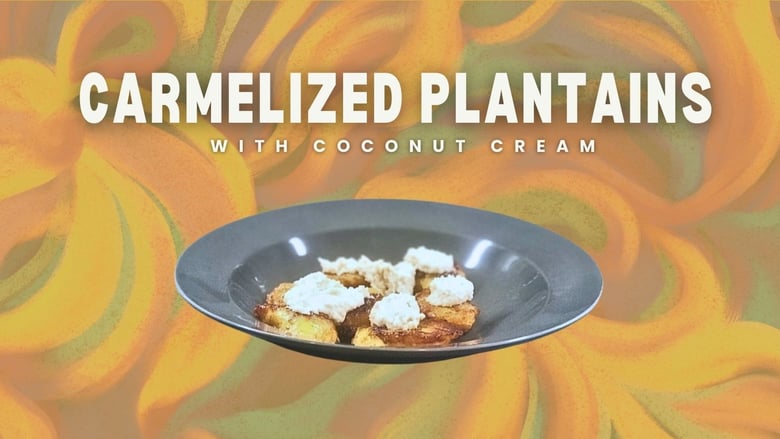
Carmelized Plantains with Coconut Cream
Caramelized Plantains with Coconut Cream
Vegan. Caribbean-inspired. Sweet, creamy, and luxurious.
This is an interesting and delicious vegan recipe! Be aware that there are three levels of sweetness to this dish—the plantains themselves (dependent on how ripe they are), the sugar coating, and the coconut cream. Despite my sweet tooth, I found them to be too sweet when I used the exact recipe measurements on the first go-around.
When I made it a second time with very ripe plantains, I cut the sugar in half and still felt like I could cut it back more. The amount of sugar you'll want to use depends on how ripe your plantains are and how sweet you want them. I also had to add liquid to the coconut cream to get the creamy texture. As you can see from the photo, I could have added even more than I did. You can add water (best if you want the cream to be less rich), coconut milk (canned or regular), or any dairy or non-dairy beverage.
This is a Caribbean-inspired dessert or side dish that celebrates the natural sweetness of ripe plantains. The caramelized exterior gets crunchy while the insides stay tender, and the creamy coconut sauce brings everything together. It's perfect as a dessert after a savory dinner, or as a special treat when you have those abundant ripe plantains on your counter.
Why This Recipe
It's genuinely vegan. No butter, no dairy, no animal products. Just plantains, coconut, and cashew cream. The result is rich, creamy, and completely plant-based.
It's customizable by sweetness. The beauty of this dish is that you control the sugar level. Very ripe plantains are naturally sweet, so you can reduce the added sugar significantly. Your preferences matter here.
The texture contrast is irresistible. Caramelized, crispy edges on the outside. Tender, sweet plantain on the inside. Creamy coconut sauce. It's a three-texture experience in one bite.
It uses ingredients you have. Plantains (tons of them), coconut oil, coconut, and cashews. Everything is local or shelf-stable. The coconut cream is blended fresh—no canned cream required.
It's authentically Caribbean. This is the kind of dessert you'd find in Puerto Rico, the Dominican Republic, and throughout the Caribbean. It's a cultural connection in every bite.
About the Ingredients
🍌 The Plantains (Your Main Event)
The ripeness of the plantains is critical—the riper the plantain, the sweeter and more tender it will be. Look for plantains that are mostly black with some yellow. They should feel slightly soft when you squeeze them gently. Very ripe plantains mean you can reduce the added sugar significantly. If your neighbor's gift includes yellow plantains, let them ripen on your counter for a week first.
🥥 Coconut Oil & Sugar (The Caramelization)
Coconut oil and coconut sugar (start with less than the recipe calls for and adjust to taste based on the sweetness of your plaintains). Very ripe plantains need less sugar. The oil creates the pan heat for caramelizing. The sugar creates the sweet, caramelized coating.
🥜 Cashew Coconut Cream (The Sauce)
The cashews create a rich, creamy base. The coconut adds tropical flavor and texture. The liquid (water, coconut milk, or any milk) is essential—you'll need it to achieve the right creaminess. Start with water for a lighter cream, or use coconut milk for extra richness.
✨ Finishing Spices & Toppings
Cinnamon and sea salt plus optional garnish, including shredded coconut and coconut sugar, add warmth and visual appeal.
Pro Tips
- Plantain ripeness determines everything. Very ripe (black) plantains are sweet, tender, and need minimal added sugar. Underripe (yellow) plantains are starchy and benefit from more sugar. Taste the plantain before deciding how much sugar to add.
- Start with less sugar, adjust to taste. Janet cut the recipe sugar in half on her second attempt and could have gone lower. She recommends starting with 1½ tbsp sugar and adding more if desired. You can always sweeten individual servings at the table.
- Soak your cashews properly. Hot water and 1 hour of soaking makes the cashews softer and blends into a creamier sauce. Drain them well before blending.
- Add liquid to the coconut cream gradually. Start with 2 tbsp water (or milk) and blend. Add 1 tablespoon at a time until you reach your desired consistency. Janet needed to add more liquid than the recipe specified to achieve the creamy texture she wanted.
- Water vs. milk for the cream. Use water if you want a lighter, less rich cream. Use coconut milk (canned or regular), almond milk, oat milk, or dairy milk for a richer, more indulgent sauce.
- Don't overcrowd the skillet. Pan-fry plantain slices in batches if needed. They need space to brown and caramelize properly on each side.
- Medium-high heat is your friend. High heat can burn the sugar coating before the plantain cooks through. Medium-high gives you time to caramelize without charring.
- Serve plantains warm, coconut cream any temperature. The warm plantain and slightly cooler cream create a lovely contrast. You can chill the cream ahead of time if you prefer.
- This is a dessert celebration of plantain abundance. When you have many ripe plantains, this is a luxurious way to use them. The vegan cream makes it feel extra special.
- Make the cream ahead. The coconut cream keeps in the fridge for 2–3 days, so you can prepare it in advance and just pan-fry fresh plantains when you want to serve.
Recipe
Ingredients (Serves 2–3)
For the Caramelized Plantains:
- 2 very ripe plantains, peeled and chopped into ½-inch slices
- 1–2 tbsp coconut sugar (start with 1½ tbsp, adjust to taste)
- ½ teaspoon ground cinnamon
- Pinch of sea salt
- 1 tablespoon coconut oil
For the Coconut Cream:
- 1 cup raw cashews, soaked in hot water for 1 hour and drained
- 3 tablespoons shredded coconut
- 2 tablespoons coconut oil
- 2 tablespoons agave nectar
- ¼ teaspoon vanilla extract
- Pinch of sea salt
- 2–5 tablespoons water, coconut milk, or plant-based milk (add gradually to reach desired consistency)
- Optional garnish: shredded coconut, coconut sugar, cinnamon
Instructions
- Peel the very ripe plantains and chop them into ½-inch-thick slices.
- In a medium bowl, combine the plantain slices, coconut sugar (start with 1½ tbsp), cinnamon, and sea salt. Toss until the plantains are evenly coated with the sugar and spices.
- Heat a large skillet over medium-high heat. Add the coconut oil.
- Once the oil is hot, add the plantain slices in a single layer, being careful not to overcrowd the pan. Cook for a few minutes on each side until golden-brown and caramelized, about 3–4 minutes per side. Work in batches if needed.
- While the plantains cook, make the coconut cream: combine the drained soaked cashews, shredded coconut, coconut oil, agave nectar, vanilla, and sea salt in a food processor or high-speed blender.
- Blend until smooth and creamy. Add water or milk 1 tablespoon at a time, blending between additions, until you reach your desired consistency. You may need anywhere from 2–5 tablespoons of liquid. The cream should be pourable but substantial.
- Serve the warm caramelized plantains topped with a generous spoonful of coconut cream. Garnish with shredded coconut, extra coconut sugar, and a pinch of cinnamon if desired. Serve immediately.
About sweetness levels: This dish has three sources of sweetness: the plantains themselves, the sugar coating, and the coconut cream. Very ripe plantains are naturally sweet, so reduce the added sugar accordingly. Janet started with the full 2–3 tbsp but found it too much with very ripe plantains. Reduce to 1–1.5 tbsp if your plantains are very ripe and dark.
About the coconut cream consistency: The liquid is essential for achieving the right texture. Start with 2 tbsp water or milk and add more as you blend until the cream is pourable but not watery. Janet needed to add more liquid than the recipe specified. The final consistency should coat a spoon but flow slightly.
About milk choices for the cream: Water creates a lighter, less rich cream. Coconut milk (canned or regular) adds tropical richness. Dairy or non-dairy milk (almond, oat, soy) creates a neutral, creamy base. Choose based on how indulgent you want the dish to be.
About plantain ripeness: Very ripe, mostly-black plantains are ideal for this recipe. They're softer to cook, sweeter without added sugar, and have a better texture. If you only have yellow plantains, you can let them ripen on your counter for several days.
About make-ahead options: The coconut cream can be made 1–2 days ahead and stored in the refrigerator. The plantains are best served fresh and warm, but you can prep the sugar-spice mixture in advance and sauté the plantains just before serving.
About serving: This works as a dessert on its own, a side dish after a savory meal, or even a special breakfast treat. The warm plantains and cool (or room-temperature) cream create a lovely contrast in temperature and texture.
Discover More Recipes
Browse our Food category for all things food, including more delicious recipes using what grows best in Panama.
EXPLORE MORE RECIPES