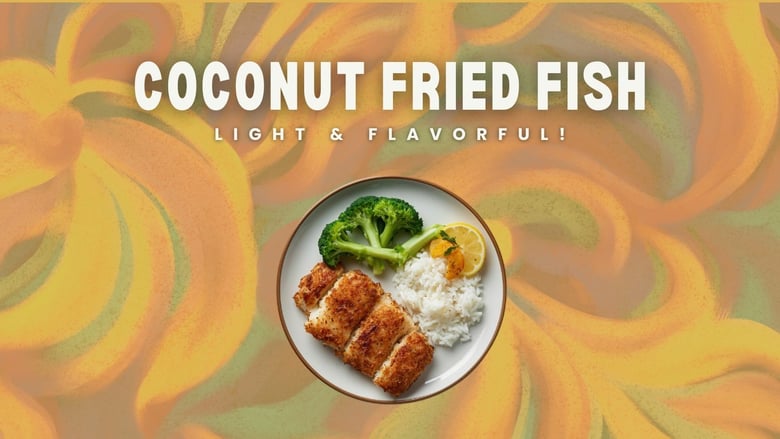
Coconut Fried Fish
Coconut Fried Fish
Golden. Crispy. Ready in 20 minutes.
This is one of our favorite ways to fix the pargo—or any other white fish—Ken catches. Light, healthy, and absolutely delicious, it's the kind of recipe that makes fresh-caught fish shine without heavy techniques or long ingredient lists.
The genius is in the pineapple juice mixed into the egg. It adds subtle tropical sweetness and creates the most incredible crispy golden crust when combined with shredded coconut. The result is stunning: golden-brown fillets with a light, crunchy exterior and tender, moist flesh inside.
Under 20 minutes from pan to plate. A handful of ingredients. And something that tastes like you caught it yourself, because you did.
Why This Recipe
It honors fresh-caught fish. When you catch it yourself, you want a preparation that highlights the quality and freshness, not masks it. This does exactly that.
The pineapple juice is genius. It sounds unusual, but it adds subtle tropical sweetness to the egg dredge and creates a more complex, interesting crust than standard egg wash. It's also delightfully light.
It's genuinely quick. 5 minutes prep, 15 minutes cooking. By the time people sit down, dinner is ready. Not a "quick recipe" that somehow takes an hour.
The crust is incredible. Crispy, golden, with a pleasant crunch. The coconut adds both flavor and texture that a standard breading can't match. And it doesn't get heavy or oily.
Works with any white fish. Pargo, snapper, grouper, mahimahi, whatever Ken catches that day. The technique is forgiving and adaptable.
About the Ingredients
🐟 The Fish
5 snapper fillets or pargo (or any firm white fish like grouper, mahimahi, or halibut). Use fresh fish if you can—the quality difference is noticeable. Pat the fillets completely dry before dredging; moisture is the enemy of a crispy crust.
🥤 Pineapple Juice in the Egg
1 egg beaten with 2 tbsp pineapple juice. The pineapple juice adds a subtle tropical sweetness and enzymes that help create an extra-crispy crust. It's a small detail that makes a big difference.
🥥 Shredded Coconut Crust
1½ cups shredded coconut, unsweetened if possible. The coconut is what makes this special—it toasts as the fish cooks, creating a golden, crunchy, lightly sweet crust. Watch the heat so it doesn't scorch.
✨ The Basics
⅔ cup flour and vegetable oil for frying. Standard ingredients that work beautifully. The flour creates a light barrier between the fish and the coconut crust, helping it adhere perfectly.
Pro Tips
- Pat the fish completely dry. Moisture is the enemy of a crispy crust. Use paper towels and press gently but firmly. Any water will create steam and prevent browning.
- Dredge in the correct order: flour, egg, coconut. The flour creates a sticky base for the egg. The egg holds the coconut. Skip any step and the coating won't adhere properly.
- Watch your heat carefully. Medium heat is perfect. Too high and the coconut scorches (it's high in sugar). Too low and the fish cooks before the crust browns. You want golden-brown coconut and cooked-through fish simultaneously.
- Use 2–3 fillets at a time in the pan. Don't overcrowd. Each fillet needs room to develop a crust. Crowding causes steaming, not frying.
- Turn gently and only once. When the coconut starts to brown (about 3–4 minutes), carefully flip. The fish is delicate. Cook another 3–4 minutes on the second side until the coconut is golden.
- Fresh fish cooks faster. Thick fillets take longer than thin ones. Start checking at 3 minutes and adjust timing based on thickness. The flesh should be opaque and flake easily.
- Serve immediately. This dish is best hot and crispy. Sitting in a warm oven will soften the crust slightly, but it's still delicious.
- Add oil between batches if needed. If the pan looks dry after cooking 2–3 fillets, add another tablespoon of oil before cooking the next batch. The oil should shimmer but not smoke.
- Unsweetened coconut is better. Sweetened coconut will caramelize and brown too quickly. Unsweetened gives you better control and a less sweet crust.
Recipe
Ingredients (Serves 4–5)
- 1 large egg
- 2 tablespoons pineapple juice (fresh or canned)
- ⅔ cup all-purpose flour
- 1½ cups shredded unsweetened coconut (more as needed)
- 5 firm white fish fillets (pargo, snapper, grouper, mahimahi, or halibut), each about ½ inch thick
- Vegetable oil for frying (about ¼ cup, adjusted as needed)
- Salt and pepper to taste (optional)
Instructions
- In a wide, shallow bowl, beat together the egg and pineapple juice until well combined.
- Spread the flour on one plate and the shredded coconut on another plate, suitable for dredging.
- Pat the fish fillets completely dry with paper towels. If desired, lightly season with salt and pepper.
- Add 2–3 tablespoons of vegetable oil to a large sauté pan set over medium heat. Let the oil warm until it shimmers.
- Dredge a fish fillet in the flour, coating both sides lightly and shaking off excess. Dip it into the egg mixture, then coat thoroughly in the shredded coconut, pressing gently so the coconut adheres.
- Carefully place 2–3 coated fillets into the hot oil, being careful not to overcrowd the pan. Cook for 3–4 minutes, watching carefully, until the coconut crust begins to turn golden brown.
- Using a spatula, gently turn the fillets over and cook for another 3–4 minutes until the second side is golden brown and the fish is cooked through (it should flake easily with a fork).
- Remove the cooked fillets to a paper towel-lined plate. Add more oil to the pan if necessary and repeat with the remaining fish fillets.
- Serve immediately while hot and crispy.
Fish options: Use any firm white fish—pargo, snapper, grouper, mahimahi, halibut, or even tilapia. The key is to use fresh fish and fillets of similar thickness so they cook evenly. If your fillets are very thick (over ¾ inch), you might want to reduce the heat slightly to give the interior time to cook before the outside burns.
About the pineapple juice: Fresh pineapple juice is ideal, but canned works perfectly fine. The enzymes in the pineapple help tenderize the fish and create an extra-crispy exterior. If you don't have pineapple juice, you can substitute with a light fruit juice or even omit it entirely—the recipe still works, but you'll lose that subtle tropical sweetness.
Coconut crust scorching: Watch the heat! The coconut contains natural sugars that caramelize quickly. Medium heat is key. If your pan runs hot, reduce to medium-low. Golden brown is perfect; dark brown means it's starting to scorch.
Serving suggestions: Serve with fresh lime wedges, a simple green salad, and rice or roasted vegetables. The crispy coconut crust pairs beautifully with anything tropical—mango salsa, cilantro lime rice, or a fresh cucumber salad.
Storage: Leftovers can be refrigerated for up to 2 days, though the crust will soften slightly. Reheat gently in a 350°F oven for a few minutes to recrisp. The fish is also delicious cold the next day as part of a salad.
Discover More Recipes
Browse our Food category for all things food, including more delicious recipes using what grows best in Panama.
EXPLORE MORE RECIPES