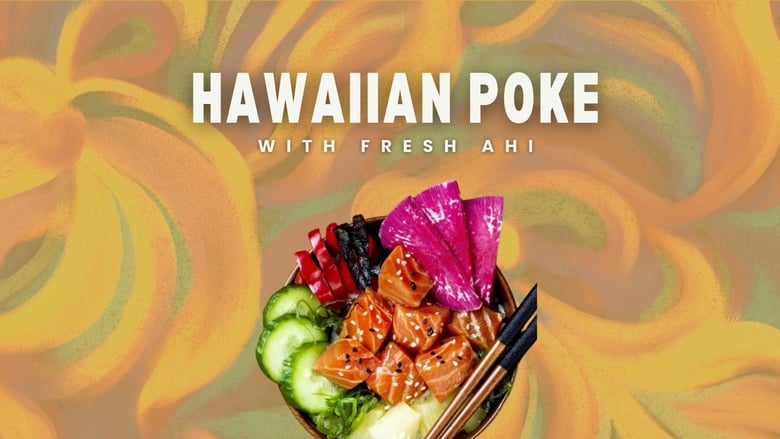
Hawaiian Poke
Poke
Fresh-caught tuna. Ready in five minutes.
Every so often Ken catches tuna, and this is one of our favorite ways to eat it. Fresh-caught fish is a privilege most people never get to experience, and poke is the simplest way to celebrate that catch—no cooking, no complicated technique, just respect for the ingredient and five minutes of prep.
Poke (pronounced "po-kay") is Hawaiian for "to cut," and the dish was born out of necessity—a practical way to preserve raw fish in a warm, tropical climate before refrigeration existed. Today it's a staple found everywhere from gas stations to fine dining in Hawaii. This version is Roy's Maui recipe, and it's as authentic as it gets.
We usually serve this with Thai Cucumber Salad, Pickled Red Onions, and steamed white rice. It's a complete meal that tastes like you worked all day—but you didn't.
Why This Recipe
It honors fresh-caught fish. There's no way to mess this up if your fish is good. No cooking to overcook it, no heavy sauce to mask it. Just tuna, minimal preparation, and respect.
It's genuinely five minutes. Cube the fish, mix the marinade, taste, serve. That's it. Someone who fishes deserves a meal that doesn't require standing in the kitchen after being out on the water.
The sauce is intentionally restrained. This isn't about overwhelming the fish with flavors. You add dressing a little at a time, tasting as you go. The fish is the star—everything else supports it.
It's a Hawaiian tradition. This recipe comes from Roy's Restaurant on Maui. It's authentic and time-tested. When you serve this, you're serving something real, not a modern interpretation.
It's healthy and light. Raw fish, fresh onions, light sauce. No heavy ingredients, no cooking fats. Pure nutrition that tastes incredible.
About the Ingredients
🐟 Freh Ahi Tuna
2 large fresh ahi steaks (1½ pounds total). This is the foundation—quality matters completely here. There are no tricks, no sauces to hide behind. Cut into ½-inch cubes for ideal texture.
🧅 Onions
¼ cup sweet yellow onion sliced + ½ cup chopped green onion. The onion adds sweetness and mild flavor. The green onion adds freshness and brightness. Together they balance the richness of the fish.
🥄 The Dressing Base
Soy sauce, sesame oil, sweet chili sauce, and fresh ginger create a balanced marinade that's savory, slightly sweet, and aromatic. Sesame oil is essential—it adds depth that regular oil can't match.
✨ The Finish
1 tbsp sesame seeds adds texture, nuttiness, and visual appeal. Don't skip this—the crunch and flavor are essential to the final dish.
Pro Tips
- Dry the fish completely before cutting. Pat the ahi steaks dry with paper towels. Moisture on the surface can dilute the marinade and make the poke watery. Dry = better texture and flavor absorption.
- Cut into uniform ½-inch cubes. This size is ideal—large enough to show the quality of the fish, small enough to absorb the marinade evenly. A sharp knife makes this much easier.
- Add the dressing gradually. This is crucial. Start with half the dressing, taste, then add more. You want just enough to enhance the fish, not overwhelm it. Roy's philosophy: the fish is the star.
- Mix gently after dressing. Don't aggressively stir—you're not trying to break down the fish. Gentle folding is enough to distribute the marinade.
- Use fresh fish only. You want to make sure it's been handled properly and is safe to eat raw.
- Serve immediately or refrigerate if waiting. If you're serving right away, serve cold. If you're waiting, refrigerate and serve within a few hours. The longer it sits, the more the fish "cooks" in the marinade and the texture changes.
- Pair with contrasting flavors. Serve with Thai Cucumber Salad for freshness and crunch, Pickled Red Onions for tang and acidity, and steamed white rice to mellow everything.
- Taste as you go. Everyone's soy sauce brands vary in saltiness. Your fish size may vary. Add dressing to taste and trust your palate—it's the best guide.
- Fresh ginger matters. Don't use ground or powdered ginger. Fresh ginger grated immediately before use is sharper and brighter. It's worth seeking out.
Recipe
Ingredients (Serves 1 large bowl or 4 as appetizer)
For the Poke:
- 2 large fresh caught ahi tuna steaks (approximately 1½ pounds)
- ¼ cup sweet onion, thinly sliced
- ½ cup green onion, chopped
- 1 tablespoon fresh ginger, finely grated
- 1 tablespoon sesame seeds
For the Dressing:
- 3 tablespoons soy sauce
- 1 teaspoon sesame oil
- 1 tablespoon sweet chili sauce
Instructions
- Pat the ahi tuna steaks completely dry with paper towels. Moisture on the surface interferes with proper marinating.
- Cut the ahi into uniform ½-inch cubes. Work carefully and use a sharp knife for clean cuts. Place the cubed fish in a medium bowl.
- In a separate small bowl, whisk together the soy sauce, sesame oil, and sweet chili sauce until well combined.
- Add the sliced onion, chopped green onion, and grated fresh ginger to the bowl with the fish.
- Begin adding the dressing to the fish mixture—start with about half of it. Gently fold to combine, then taste.
- Add more dressing gradually until you have just enough to enhance the flavor of the fish. The goal is for the fish to remain the star of the dish.
- Top with sesame seeds and serve immediately on a bed of steamed white rice, or refrigerate if serving later.
- If refrigerating, serve within a few hours. The longer poke sits, the more the raw fish "cooks" in the marinade and the texture becomes softer.
About poke: The word pokē is Hawaiian for "to cut" and the dish was created as a practical way to preserve raw fish in a warm tropical climate before modern refrigeration. It's found everywhere in Hawaii, from gas stations to fine dining restaurants. Everyone has their own opinion of the "best" poke recipe.
Fish variations: This recipe is most commonly made with yellowfin tuna (ahi) or salmon. You can also use other fresh fish, or even shrimp or other seafood—as long as it's fresh and properly handled.
Add vegetables: While this traditional recipe is simple, poke can be inventive. Add diced cucumber, avocado, seaweed, or whatever vegetables appeal to you. Remember: eat with your eyes first. Colorful is better.
Traditional serving: In Hawaii, poke is traditionally served with steamed rice and limu kohu seaweed. We serve ours with Thai Cucumber Salad for crunch and freshness, Pickled Red Onions for tang and acidity, and white steamed rice to tie it all together.
Storage: Fresh poke is best served immediately or within a few hours of preparation. It must be refrigerated if not serving right away. Do not leave at room temperature.
Discover More Recipes
Browse our Food category for all things food, including more delicious recipes using what grows best in Panama.
EXPLORE MORE RECIPES